
In the vibrant tapestry of vegetarian cuisine, tofu and tempeh stand out as versatile and nourishing staples, each offering a unique blend of flavors and textures. These plant-based powerhouses have long been cherished in Asian culinary traditions, yet their appeal has blossomed globally as more people embrace vegetarianism and explore the rich diversity of meatless meals. Tofu, with its subtle, adaptable nature, and tempeh, celebrated for its nutty robustness, provide not only essential nutrients but also endless possibilities for culinary creativity. As more individuals seek to balance health, sustainability, and taste, tofu and tempeh emerge as indispensable allies in the kitchen, promising to elevate vegetarian cooking to new, delectable heights. Join us as we delve into the myriad benefits these soy-based wonders bring to the table, enhancing both the palate and the plate.
Exploring Nutritional Powerhouses: Tofu and Tempeh
Delving into the world of plant-based proteins, tofu and tempeh emerge as true champions, offering not only versatility but also a bounty of health benefits. Tofu, made from soy milk, is a protein-rich, low-calorie staple that fits seamlessly into a variety of dishes. It is celebrated for its ability to absorb flavors, making it a perfect canvas for culinary creativity. On the other hand, tempeh offers a heartier texture and a slightly nutty taste, thanks to its fermentation process. This not only enhances its nutritional profile but also makes it an excellent source of probiotics, promoting gut health.
- Protein-Rich: Both tofu and tempeh provide substantial protein, essential for muscle repair and growth.
- Low in Calories: These ingredients are excellent for those mindful of their caloric intake while ensuring nutrient density.
- Rich in Minerals: They offer calcium, iron, and magnesium, vital for bone health and energy production.
- Versatile Ingredients: Their ability to adapt to various flavors and cuisines makes them ideal for diverse recipes.
- Gut Health Benefits: Tempeh’s fermentation process introduces probiotics, supporting a healthy digestive system.

Mastering Flavor and Texture in Plant-Based Dishes
Tofu and tempeh have long been celebrated as versatile powerhouses in the realm of vegetarian cooking, offering a remarkable ability to absorb flavors and provide diverse textures. These soy-based staples can transform a dish from mundane to magical, bringing depth and richness to any meal. Tofu, with its delicate and subtle nature, acts as a blank canvas, readily absorbing marinades and spices. It can be enjoyed in various forms, from the silken texture ideal for creamy soups and desserts to the firm variety perfect for grilling and stir-frying.
- Tofu: Known for its adaptability, tofu can be seasoned and cooked to mimic a variety of textures and flavors, making it a staple in plant-based kitchens.
- Tempeh: With its nutty flavor and firm texture, tempeh adds a robust quality to dishes, perfect for those seeking heartier plant-based proteins.
On the other hand, tempeh offers a hearty and nutty flavor profile, making it an excellent choice for those seeking more substantial plant-based proteins. Its fermentation process not only enhances its nutritional value but also introduces a unique umami flavor, making it a standout in dishes ranging from savory sandwiches to satisfying salads. Together, tofu and tempeh provide a delightful balance of flavor and texture, elevating plant-based cuisine to new heights.

Sustainable Choices for the Eco-Conscious Cook
Embracing plant-based proteins like tofu and tempeh offers a myriad of benefits for those committed to sustainable cooking. Both of these soy-based products are not only versatile and nutrient-rich, but they also have a significantly lower environmental impact compared to animal-based proteins. Tofu, made from soy milk, is a staple in vegetarian kitchens due to its ability to absorb flavors and its smooth, creamy texture. Tempeh, on the other hand, is made from fermented soybeans, offering a firmer texture and a nutty flavor that adds depth to any dish.
- Environmental Impact: Producing tofu and tempeh requires less land and water compared to meat, making them environmentally friendly choices.
- Nutritional Benefits: Both are excellent sources of protein, iron, and calcium, while tempeh also provides probiotics due to its fermentation process.
- Culinary Versatility: Tofu can be used in both savory and sweet dishes, while tempeh’s hearty texture makes it perfect for grilling, stir-frying, or crumbling into salads.
By incorporating these ingredients into your meals, you not only support sustainable agriculture but also enrich your diet with diverse flavors and textures. Whether you’re a seasoned vegetarian or exploring plant-based options, tofu and tempeh offer delicious and eco-friendly pathways to culinary creativity.
Practical Tips for Incorporating Tofu and Tempeh in Everyday Meals
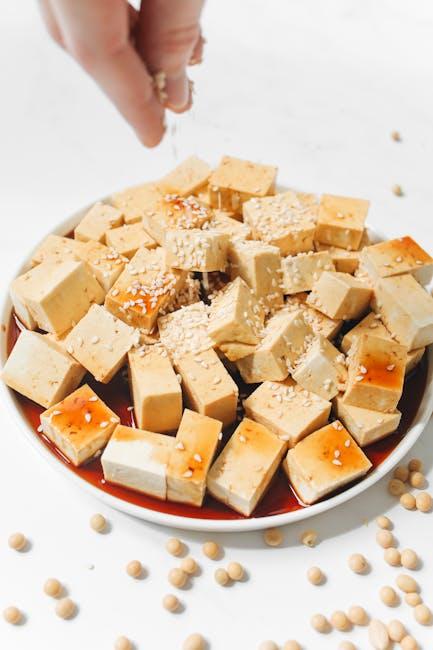
Integrating tofu and tempeh into your daily meals can be a delightful culinary adventure. Begin by exploring their versatility in various dishes. Tofu, with its mild flavor and smooth texture, is perfect for absorbing the flavors of any marinade or sauce. Try adding tofu to your stir-fries, soups, or even as a protein-packed addition to your morning smoothie. For a crispy delight, coat tofu cubes in cornstarch and pan-fry them until golden.
- Scramble: Crumble tofu and sauté with your favorite vegetables for a savory breakfast option.
- Grill: Marinate tofu in soy sauce, garlic, and ginger, then grill it for a smoky flavor.
Tempeh, on the other hand, offers a nutty flavor and firm texture, making it an excellent meat substitute. It can be sliced, diced, or crumbled into various dishes. Consider steaming tempeh to reduce its slight bitterness before incorporating it into recipes.
- Tacos: Crumble tempeh and sauté with taco seasoning for a delicious filling.
- Salads: Dice tempeh and toss it with greens and a tangy vinaigrette for a hearty salad.
