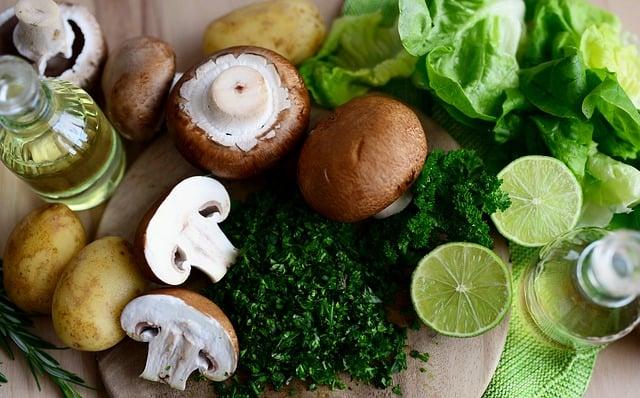
In recent years, the term “superfood” has woven its way into the fabric of culinary conversations, promising health benefits that border on the miraculous. These nutrient-packed powerhouses, from kale and quinoa to chia seeds and blueberries, have captured the imagination of health enthusiasts and chefs alike. But as we celebrate their virtues, a question bubbles to the surface: Are we maximizing their potential when we cook them? Should the culinary techniques we use be as super as the foods themselves? This article embarks on a flavorful exploration of whether our approach to cooking should evolve to unlock the full spectrum of benefits that superfoods have to offer, or if the existing methods suffice in preserving their acclaimed properties. Join us as we delve into the science, the tradition, and the innovation that shape our understanding of cooking methods tailored for superfoods.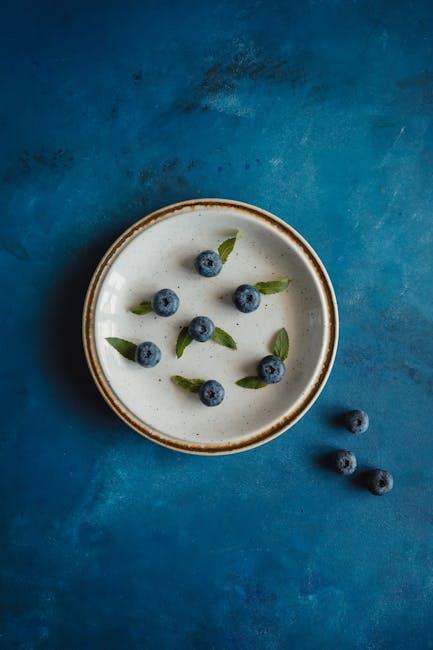
Exploring the Unique Characteristics of Superfoods
When it comes to superfoods, these nutrient-dense powerhouses deserve special attention in the kitchen. Cooking methods can significantly influence the nutritional benefits and flavor profiles of these ingredients. For instance, steaming is often recommended for vegetables like kale and broccoli to preserve their high levels of vitamins and minerals, while quick sautéing can enhance the antioxidant properties of spinach. By adjusting your cooking techniques, you can unlock the full potential of these superfoods, ensuring you get the most out of their unique health benefits.
- Quinoa: Rinse thoroughly and simmer to retain its fluffy texture and amino acids.
- Chia Seeds: Soak overnight to maximize nutrient absorption and create a versatile gel-like consistency.
- Blueberries: Enjoy raw or lightly cooked to preserve their high antioxidant content.
- Salmon: Opt for baking or grilling to maintain omega-3 fatty acids and enhance flavor.
The Science Behind Cooking Techniques and Nutrient Preservation
Cooking techniques are more than just a means to an end; they are a dance between heat, time, and nutrients. When it comes to superfoods, the stakes are higher. These nutritional powerhouses are packed with vitamins, minerals, and antioxidants, but their benefits can easily be compromised by improper cooking methods. Understanding the science behind cooking is essential to unlocking the full potential of these foods. For instance, steaming is often preferred for vegetables like broccoli, as it preserves glucosinolates, compounds with cancer-fighting properties. Conversely, boiling can leach these nutrients into the water, diminishing their impact.
To maintain the nutritional integrity of superfoods, consider these key techniques:
- Steaming: Preserves water-soluble vitamins and minerals.
- Grilling: Enhances flavors while retaining antioxidants in foods like bell peppers.
- Microwaving: Uses minimal water, helping retain nutrients.
- Stir-frying: Quick cooking method that locks in nutrients and flavors.
By selecting the right cooking technique, we can ensure that the vibrant, nutrient-rich qualities of superfoods remain intact, allowing us to savor their health benefits in every bite.
Balancing Flavor and Nutrition in Superfood Preparation
In the realm of culinary arts, the preparation of superfoods presents a unique opportunity to harmonize taste and health benefits. Superfoods, like kale, quinoa, and chia seeds, are often revered for their dense nutritional profiles, but the challenge lies in preserving these attributes while enhancing their flavors. Different cooking methods can significantly impact both the taste and nutritional value of these ingredients. Here are some methods to consider:
- Steaming: This gentle method helps retain most vitamins and minerals, making it an excellent choice for vegetables like broccoli and spinach.
- Sautéing: A quick sauté with healthy oils, such as olive or coconut oil, can enhance flavors while adding healthy fats that aid in nutrient absorption.
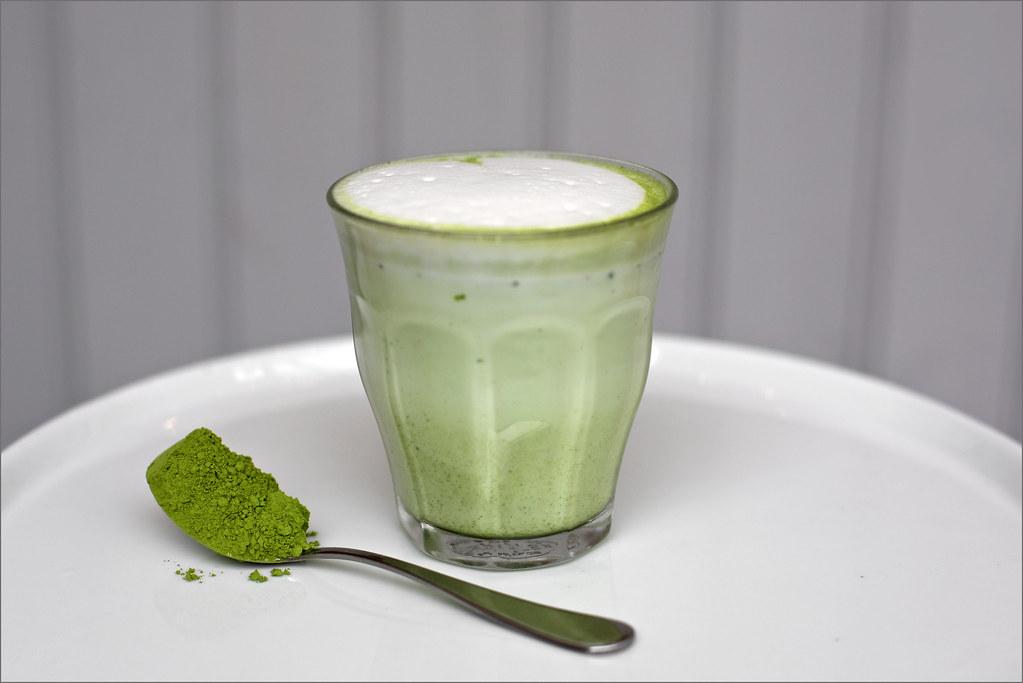
- Blending: Incorporating superfoods into smoothies can be a delicious way to consume them raw, maintaining their full nutrient profile.
- Roasting: While this method can deepen flavors, it’s essential to monitor cooking times and temperatures to avoid nutrient loss.
Ultimately, the choice of cooking method should align with the desired balance between flavor and nutrition, ensuring that each dish not only delights the palate but also supports overall health.

Practical Tips for Tailoring Cooking Methods to Superfoods
To harness the full potential of superfoods, it’s crucial to adapt your cooking techniques to maintain their nutritional integrity. Here are some practical tips to consider:
- Gentle Cooking Techniques: Methods such as steaming, blanching, and sautéing at low temperatures can help preserve the vitamins and minerals in delicate superfoods like kale and spinach. Avoid boiling these leafy greens, as it can leach out essential nutrients.
- Utilize Raw Forms: Some superfoods, such as berries and nuts, can be consumed raw to maximize their health benefits. Incorporate them into salads, smoothies, or as toppings to retain their natural enzymes and antioxidants.
- Soaking and Sprouting: For grains and legumes like quinoa and lentils, soaking or sprouting can enhance their digestibility and nutrient absorption. This process breaks down phytic acid and unlocks essential minerals.
- Pairing for Synergy: Combining certain superfoods with complementary ingredients can boost nutrient uptake. For example, pairing turmeric with black pepper enhances the absorption of curcumin, the active compound in turmeric.
Adapting your cooking methods not only elevates the taste and texture of superfoods but also ensures that you’re getting the most out of their nutritional profiles.
