
In a world where dietary preferences and health-conscious choices are becoming the norm, the art of baking has evolved into a delightful fusion of tradition and innovation. Imagine crafting desserts that not only tantalize your taste buds but also nourish your body with the power of superfoods. Welcome to the realm of gluten-free baking, where indulgence meets wellness, and every bite is a celebration of flavor and vitality. In this guide, we will embark on a culinary adventure, exploring the secrets of creating gluten-free desserts that are as wholesome as they are delicious. From chia seeds to quinoa flour, discover how these superfood ingredients can transform your baking into a guilt-free pleasure that satisfies both your sweet tooth and your quest for health. Whether you are a seasoned baker or a curious novice, join us as we delve into the art of crafting desserts that redefine the boundaries of taste and nutrition.
Incorporating Superfoods for a Nutrient-Packed Dessert
Transform your dessert into a nutritional powerhouse by integrating superfoods that not only enhance flavor but also boost health benefits. Imagine indulging in a rich, velvety chocolate cake that’s not only gluten-free but also packed with nutrients. Here are some superfoods to consider:
- Chia Seeds: These tiny seeds are loaded with fiber, omega-3 fatty acids, and antioxidants. Add them to your dessert batter for a delightful crunch and a nutritional boost.
- Cacao Nibs: A perfect substitute for chocolate chips, cacao nibs provide a deep, intense chocolate flavor and are a great source of magnesium and iron.
- Almond Flour: Replace traditional flour with almond flour for a gluten-free option that’s high in protein and healthy fats.
- Goji Berries: These vibrant berries can be used as a topping or mixed into batters for a sweet, tangy flavor and a dose of vitamins A and C.
By creatively incorporating these superfoods, you can craft desserts that are as nourishing as they are indulgent. Experiment with different combinations to discover new flavors and textures that will delight your taste buds while keeping your diet nutrient-rich.
Choosing the Right Gluten-Free Flour for Your Recipe
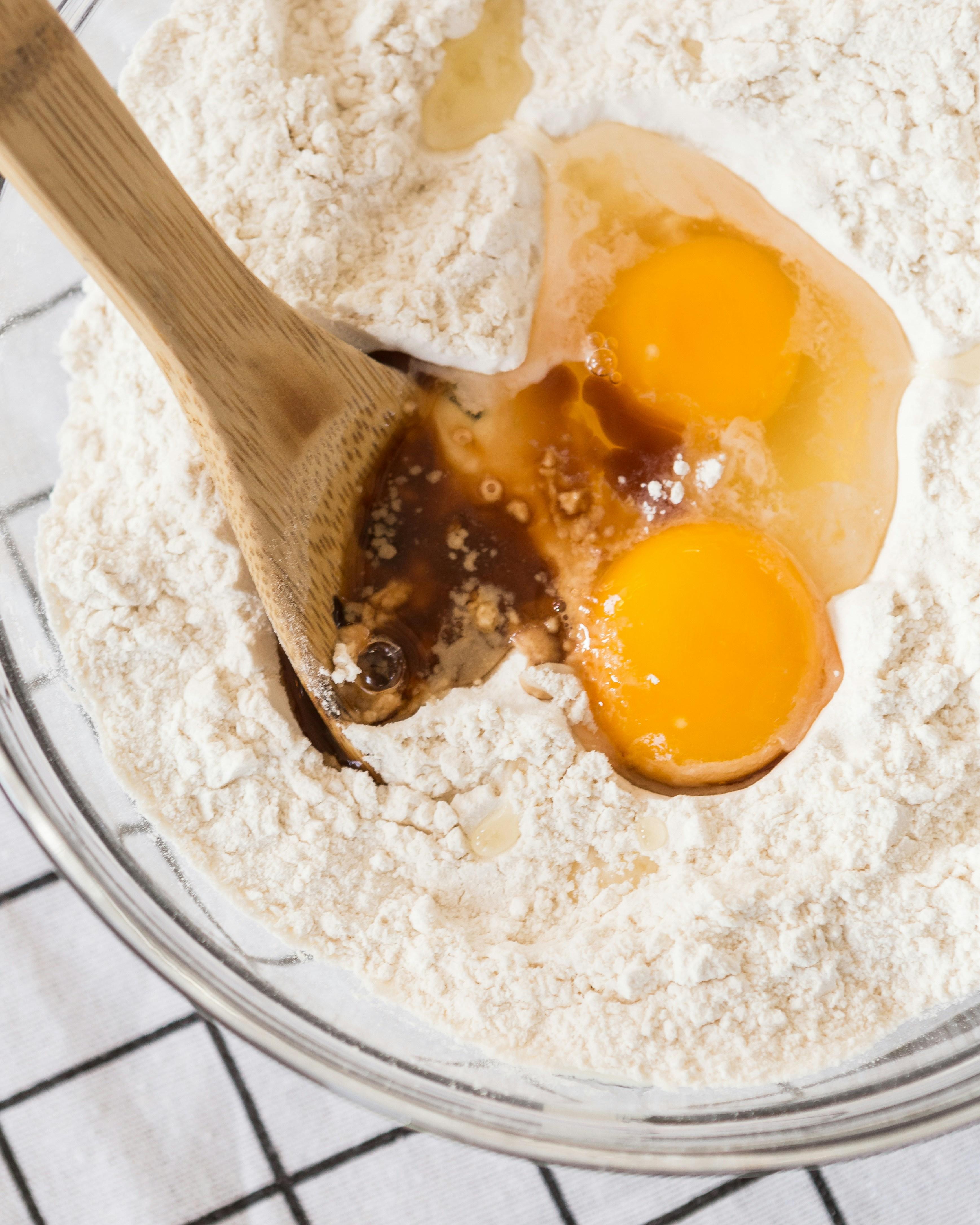
When diving into the world of gluten-free baking, the flour you choose can make or break your recipe. With a variety of options available, each flour brings its own unique properties to your dessert creations. Here are some popular gluten-free flours and their characteristics:
- Almond Flour: Rich in protein and healthy fats, almond flour adds a subtle nuttiness to your baked goods. Ideal for cookies and cakes, it pairs well with chocolate and fruits.
- Coconut Flour: Known for its high fiber content, coconut flour absorbs more liquid than other flours, making it perfect for moist and dense desserts. Use it in small quantities and pair with eggs or other binding agents.
- Sorghum Flour: With a mild, sweet flavor, sorghum flour is a versatile choice. It works well in combination with other flours for pancakes, muffins, and bread.
- Chickpea Flour: Packed with protein, chickpea flour adds a slight savory note, which can enhance the flavors in brownies and blondies.
Each gluten-free flour has its own strengths, and often, a blend of these flours yields the best results. Experiment with different combinations to find the perfect balance for your dessert masterpiece.

Balancing Flavor and Health with Natural Sweeteners
Incorporating natural sweeteners into your gluten-free baking not only enhances flavor but also adds a nutritional boost. Maple syrup and honey are excellent choices, offering rich tastes and natural antioxidants. Coconut sugar is another fantastic option, known for its low glycemic index and caramel-like flavor. These sweeteners can seamlessly replace refined sugars, allowing you to indulge in your favorite desserts without compromising on health.
- Maple Syrup: Adds a deep, earthy sweetness and contains minerals like zinc and manganese.
- Honey: Offers a floral flavor and boasts antibacterial properties.
- Coconut Sugar: Provides a subtle sweetness and is rich in iron and calcium.
When baking, keep in mind that natural sweeteners may alter the texture and moisture of your desserts. For example, using applesauce as a sweetener can add moisture, making it perfect for cakes and muffins. Dates are another superfood ingredient that can be blended into a paste, providing both sweetness and fiber. Experimenting with these alternatives can lead to delightful surprises, ensuring your gluten-free treats are both delicious and nutritious.
Creative Tips for Adding Texture and Color
Elevate your gluten-free desserts by incorporating vibrant superfood ingredients that not only enhance the visual appeal but also boost nutritional value. Consider adding a sprinkle of chia seeds or hemp hearts to your batter or as a topping for a subtle crunch and earthy undertones. These seeds not only provide a pleasant texture but also pack a punch of omega-3 fatty acids and protein.
- Cacao nibs: Introduce a rich, chocolatey crunch to brownies or cookies.
- Matcha powder: Infuse your desserts with a pop of green color and a dose of antioxidants.
- Acai berries: Use as a topping or blend into frostings for a vibrant purple hue.
- Turmeric: Add a golden tint and anti-inflammatory benefits to your creations.
For a creamy texture, blend avocado or coconut cream into your mousse or frosting. These ingredients create a luscious mouthfeel while adding healthy fats. Experiment with beetroot powder for a natural red color, or spirulina for a unique blue-green hue, perfect for making eye-catching treats that taste as good as they look.
