
In a world where fast food and quick fixes often dominate our dining tables, the art of crafting a nutrient-dense plate can feel like a lost skill. Yet, the secret to vitality and well-being lies not in the latest diet trend, but in the colorful symphony of whole foods that nourish our bodies from the inside out. Imagine each meal as a canvas, ready to be painted with vibrant vegetables, lean proteins, and wholesome grains, creating a masterpiece of health. In this article, we delve into the essentials of building a nutrient-dense plate for every meal, offering tips and insights to transform your eating habits into a celebration of flavor and nutrition. Whether you’re a culinary novice or a seasoned kitchen artist, these guidelines will inspire you to embrace the bounty of nature and savor the benefits of a balanced diet. Join us as we explore the delightful journey of eating well, one plate at a time.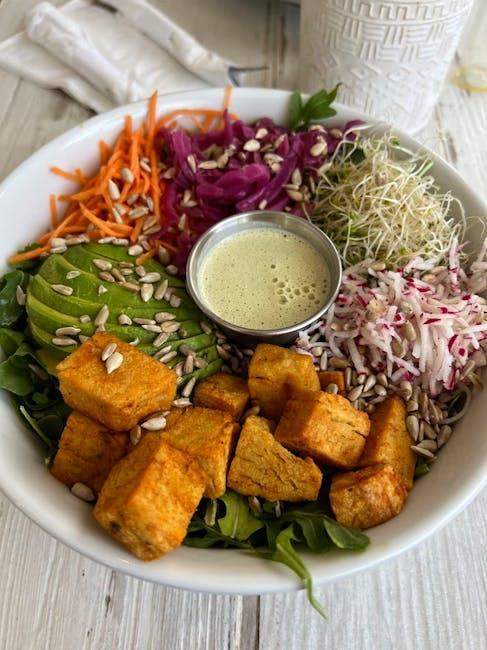
Balancing Colors and Textures for Visual Appeal
Creating a visually appealing and nutrient-dense plate is like crafting a masterpiece, where each component complements the other. Begin by choosing a vibrant array of vegetables, ensuring a mix of leafy greens, rich reds, and sunny yellows. Not only do these colors make your plate pop, but they also indicate a variety of vitamins and minerals. Pair these with whole grains or legumes, which provide a neutral canvas that balances the vibrant hues while adding essential fiber and protein.
- Textures play a crucial role in visual and gustatory satisfaction. Combine the crispness of fresh vegetables with the smoothness of mashed sweet potatoes or the crunch of roasted nuts.
- Proteins, whether plant-based or lean meats, should be thoughtfully arranged. Think grilled chicken strips or a hearty scoop of quinoa to add depth and structure to your plate.
- Finish with a drizzle of healthy fats like olive oil or a sprinkle of seeds to add sheen and richness.
By thoughtfully balancing colors and textures, you not only create a meal that’s a feast for the eyes but also one that nourishes your body, ensuring each bite is as delightful as it is beneficial.
Incorporating Whole Grains for Sustained Energy
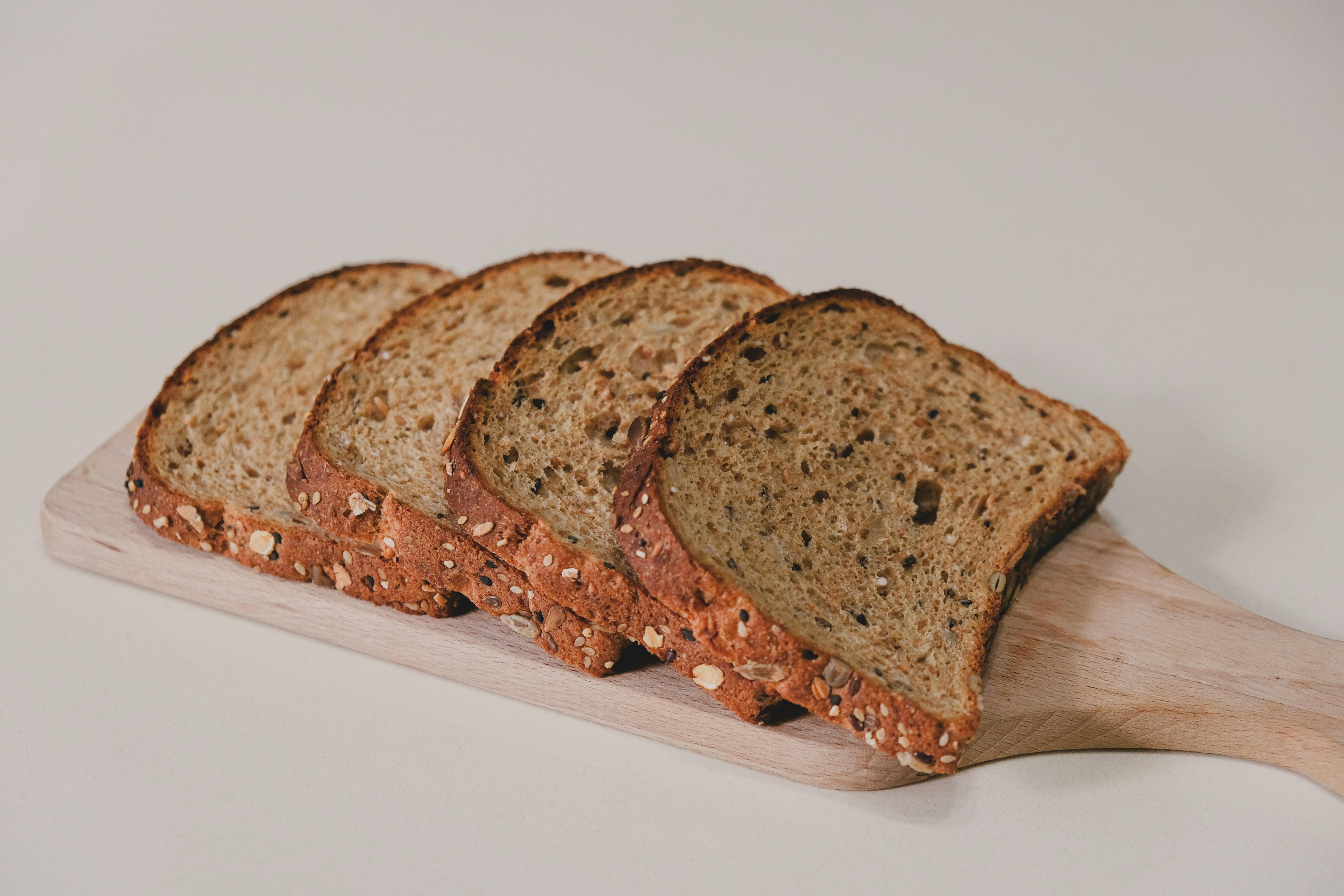
Whole grains are a fantastic addition to any meal, providing a steady release of energy that can help power you through your day. Unlike refined grains, whole grains retain their nutrient-rich bran and germ, offering a wealth of vitamins, minerals, and fiber. To seamlessly integrate these powerhouses into your diet, consider the following tips:
- Variety is Key: Experiment with different whole grains like quinoa, farro, and bulgur to keep your meals exciting and flavorful. Each grain brings its unique texture and taste, ensuring your palate never gets bored.
- Balance Your Plate: Pair whole grains with lean proteins and a rainbow of vegetables to create a well-rounded, nutrient-dense meal. This balance not only enhances flavor but also optimizes nutrient absorption.
- Easy Swaps: Substitute refined grains with whole grain alternatives. Swap white rice for brown rice or try whole grain pasta for a nutritious twist on classic dishes.
Incorporating whole grains into your meals not only boosts your energy levels but also supports overall health, making them an essential component of a nutrient-dense plate.
Harnessing the Power of Plant-Based Proteins
Creating a nutrient-dense meal starts with the right balance of plant-based proteins, which are not only sustainable but also packed with essential nutrients. When planning your plate, consider incorporating a variety of protein-rich plant foods that can provide all the essential amino acids your body needs. Here are some ideas to get you started:
- Legumes: Beans, lentils, and chickpeas are versatile staples that can be used in soups, salads, or as a hearty main dish.
- Nuts and Seeds: Almonds, chia seeds, and flaxseeds add a crunchy texture and are perfect for sprinkling over salads or mixing into smoothies.
- Whole Grains: Quinoa, farro, and bulgur are excellent sources of protein and can serve as the base for any meal.
- Tofu and Tempeh: These soy-based proteins can be marinated and grilled for a flavorful addition to any dish.
Balance is key, so ensure you are pairing these proteins with a rainbow of vegetables and healthy fats for a well-rounded, satisfying meal. By thoughtfully selecting your ingredients, you can create dishes that not only meet your nutritional needs but also delight your taste buds.

Enhancing Flavors with Herbs and Spices
Herbs and spices are the unsung heroes of culinary art, transforming ordinary dishes into extraordinary experiences. By incorporating these natural flavor enhancers, you can create meals that are not only delicious but also nutrient-rich. A sprinkle of cumin can add warmth to a vegetable stew, while a dash of cinnamon can elevate a simple bowl of oatmeal into a fragrant delight. For those looking to boost their immune system, turmeric and ginger are not only flavorful but also packed with antioxidants.
- Basil: Perfect for tomato-based dishes, it adds a fresh, peppery flavor.
- Rosemary: Complements roasted meats and vegetables with its pine-like aroma.
- Thyme: Offers a subtle earthiness, ideal for soups and stews.
- Chili Powder: Brings a kick to your meals, enhancing metabolism and adding depth.
Experimenting with these versatile ingredients not only diversifies your palate but also enhances the nutritional profile of your meals. Whether you’re a culinary novice or a seasoned chef, there’s always a new combination to explore that will delight your taste buds and nourish your body.
