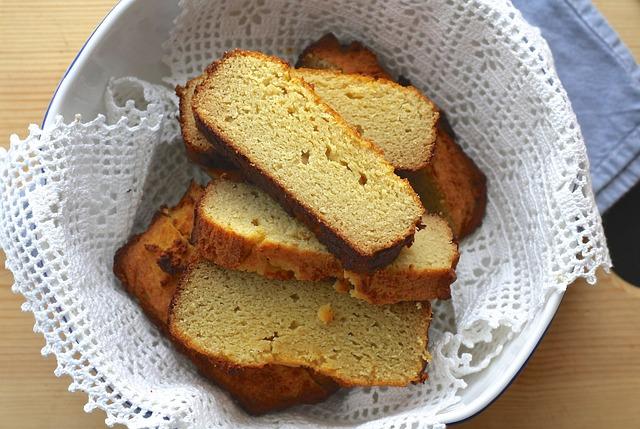
In the ever-evolving landscape of modern cooking, where culinary trends ebb and flow with the seasons, gluten-free flours have emerged as a staple in kitchens around the world. Once relegated to the domain of those with dietary restrictions, these versatile alternatives are now embraced by chefs and home cooks alike, often celebrated for their unique textures and flavors. Yet, as with any culinary phenomenon, questions arise about their place in our everyday meals. Are gluten-free flours genuinely enhancing our culinary repertoire, or are they being overused, perhaps even overshadowing traditional ingredients? In this exploration, we delve into the rise of gluten-free flours, examining their impact on contemporary cooking practices and pondering whether their widespread adoption is a testament to innovation or simply a fleeting fad.
Exploring the Rise of Gluten-Free Flours in Everyday Recipes
In recent years, there’s been a noticeable shift in how home cooks and professional chefs alike are experimenting with gluten-free flours. What was once considered a niche ingredient has now entered the mainstream, finding its way into a variety of recipes. This rise can be attributed to several factors:
- Health Consciousness: As more people become aware of gluten sensitivities and celiac disease, there’s a growing demand for alternatives that cater to these dietary needs.
- Culinary Exploration: Gluten-free flours offer unique textures and flavors that traditional wheat flour can’t provide, encouraging chefs to explore new culinary horizons.
- Inclusivity: By incorporating these alternatives, recipes become accessible to a wider audience, promoting inclusivity in dining experiences.
Despite their benefits, there’s an ongoing debate about whether these flours are overused in modern cooking. Critics argue that the widespread adoption might overshadow traditional ingredients, potentially altering the authenticity of classic recipes. Yet, the culinary world continues to evolve, and gluten-free flours offer an exciting opportunity to reinvent and innovate, blending tradition with modern dietary needs.
Unpacking the Nutritional Myths and Realities of Gluten-Free Alternatives
In recent years, gluten-free flours have become a staple in many kitchens, but their rise in popularity also brings a mix of misconceptions and truths. While gluten-free flours can be a savior for those with celiac disease or gluten sensitivity, they are often perceived as a healthier option for everyone. Is this perception grounded in reality?
Let’s delve into the nutritional landscape of these alternatives. Many gluten-free flours, such as almond and coconut flour, offer a variety of benefits, including higher fiber content and essential nutrients like vitamin E and healthy fats. However, it’s important to note that not all gluten-free flours are created equal. Some may lack vital nutrients that whole wheat or traditional flours provide. Here are a few points to consider when choosing gluten-free flours:
- Almond Flour: High in protein and healthy fats but can be calorie-dense.
- Coconut Flour: Rich in fiber yet absorbs a lot of moisture, which can alter recipes.
- Rice Flour: A popular choice, but often low in fiber and protein.
Ultimately, the key is balance and informed choices. Gluten-free flours can certainly enrich your culinary repertoire, but they should be used thoughtfully, keeping in mind their nutritional profiles and the specific dietary needs of your household.

Balancing Flavor and Texture: When to Choose Gluten-Free Flours
In the culinary world, the decision to use gluten-free flours often hinges on achieving the perfect balance between flavor and texture. While traditional wheat flour offers a familiar base for many recipes, gluten-free alternatives open up a palette of flavors that can elevate a dish. Here are some considerations for when these flours might be the ideal choice:
- Flavor Enhancements: Almond flour introduces a nutty richness that pairs beautifully with desserts, while coconut flour adds a subtle sweetness, making it a delightful addition to baked goods.
- Texture Variations: For a lighter, airier texture in pastries, rice flour can be an excellent substitute. Meanwhile, buckwheat flour brings a hearty, robust texture to bread and pancakes, offering a satisfying bite.
- Dietary Needs: For those with gluten intolerance or celiac disease, choosing gluten-free flours is essential. However, even for those without dietary restrictions, experimenting with these flours can result in unique and exciting culinary experiences.
Ultimately, the choice of flour can transform a dish from ordinary to extraordinary, offering chefs and home cooks alike a chance to experiment with new textures and flavors that might otherwise go unexplored.
Guidelines for Integrating Gluten-Free Flours in Traditional Dishes
Integrating gluten-free flours into your favorite traditional recipes can open up a world of flavors and textures, offering a delightful twist while accommodating dietary needs. To successfully blend these alternative flours, it’s essential to understand their unique properties. Almond flour, for instance, brings a rich, nutty flavor but requires additional binding agents like eggs or xanthan gum to mimic the elasticity of gluten. Coconut flour is highly absorbent, so it often requires more liquid or eggs to maintain moisture in baked goods.
- Balance flavors: Mix gluten-free flours with stronger flavors such as spices or herbs to complement their distinct taste.
- Adjust ratios: Experiment with different combinations of gluten-free flours to achieve the desired texture. A common mix is rice flour, potato starch, and tapioca flour.
- Increase leavening: Since gluten-free flours are denser, consider increasing baking powder or yeast to help the dough rise.
- Enhance moisture: Incorporate ingredients like applesauce, yogurt, or mashed bananas to prevent dryness in your dishes.
By embracing these guidelines, you can transform traditional dishes into gluten-free delights without compromising on taste or texture, inviting everyone to the table with confidence.
