
In the bustling world of culinary arts, where flavors dance and aromas captivate, salt has long reigned as an indispensable staple. It’s the alchemist’s touch, the enhancer of tastes, and the silent partner in countless dishes. Yet, in the quest for healthier living, this beloved mineral finds itself under scrutiny. Enter the age of salt substitution—a burgeoning trend that promises to maintain the savory symphony of our meals while offering a path to better health. But is this substitution truly necessary for healthy cooking, or is it simply a culinary fad? As we delve into the crystalline complexities of salt and its alternatives, we explore the delicate balance between flavor and well-being, inviting readers to ponder the possibilities of a healthier plate without sacrificing the joy of taste.
Exploring the Role of Salt in Culinary Health
In the world of culinary arts, salt is more than just a seasoning; it’s a transformative ingredient that enhances flavor and texture. However, the conversation around salt often shifts towards its health implications, leading to the question of whether salt substitution is necessary for healthier cooking. With growing health concerns, many are exploring alternatives to traditional table salt. These alternatives are not only lower in sodium but also offer distinct flavors and health benefits. Here are some popular substitutes:
- Sea Salt: Harvested from evaporated seawater, it retains trace minerals that can add a subtle complexity to dishes.
- Himalayan Pink Salt: Known for its striking color and mineral content, this salt is often praised for its potential health benefits.
- Herb Blends: A mix of dried herbs and spices that can provide a flavorful punch without the need for added sodium.
- Potassium Chloride: Often used in salt substitutes, this compound can mimic the taste of salt while reducing sodium intake.
While salt substitutes can play a role in a balanced diet, it’s essential to consider individual dietary needs and preferences. Moderation remains key, as even healthier alternatives should be used thoughtfully. Understanding the role of salt in cooking and its substitutes can lead to more informed and delicious culinary choices.

Understanding the Science Behind Salt Substitutes
In the quest for healthier cooking, salt substitutes have emerged as a popular alternative, promising the familiar taste without the sodium overload. But what exactly are these substitutes made of, and how do they work? At the core, salt substitutes often rely on potassium chloride, a compound that mimics the salty flavor while offering the added benefit of potassium, an essential mineral. Some blends might also include ingredients like herbs, spices, or citrus extracts to enhance flavor without sodium.
Understanding the science behind these alternatives is crucial for making informed dietary choices. When sodium is reduced, the risk of hypertension and cardiovascular issues may decrease, making room for other health-promoting minerals. Here’s what typically makes up salt substitutes:
- Potassium Chloride: The primary ingredient, offering a salty taste with health benefits.
- Herbs and Spices: Added for flavor variety, enhancing dishes naturally.
- Citrus Extracts: Provide a zesty kick, reducing the need for sodium.
As you experiment with these substitutes, consider the balance between taste and health. While they offer a promising alternative, individual taste preferences and dietary needs should guide their use in cooking.

Comparing Flavor Profiles of Traditional and Alternative Salts
Exploring the nuances of both traditional and alternative salts unveils a world of diverse flavor profiles that can elevate your culinary creations. Traditional salts, like table salt and sea salt, often boast a straightforward salty taste, sometimes with a slight mineral edge, particularly in the case of sea salt. These salts are typically fine-grained, allowing them to dissolve quickly, making them a reliable choice for uniform seasoning.
On the other hand, alternative salts offer a broader spectrum of flavors and textures, each contributing a unique character to dishes. Consider the following options:
- Himalayan Pink Salt: Known for its subtle floral notes and delicate crunch, it can enhance the flavor of grilled meats and roasted vegetables.
- Kosher Salt: With larger, irregular crystals, it provides a mild, clean taste and is favored for its ability to draw out moisture in meat.
- Black Lava Salt: Its earthy, smoky flavor and dramatic color make it an excellent finishing salt for seafood and salads.
- Smoked Salt: Infused with smoke from wood like alder or oak, it imparts a rich, savory depth to barbecue and roasted potatoes.
These alternatives not only diversify the taste landscape but also allow for creative culinary experimentation, offering chefs and home cooks alike a chance to craft dishes with nuanced, layered flavors.
Practical Tips for Integrating Salt Substitutes into Everyday Meals
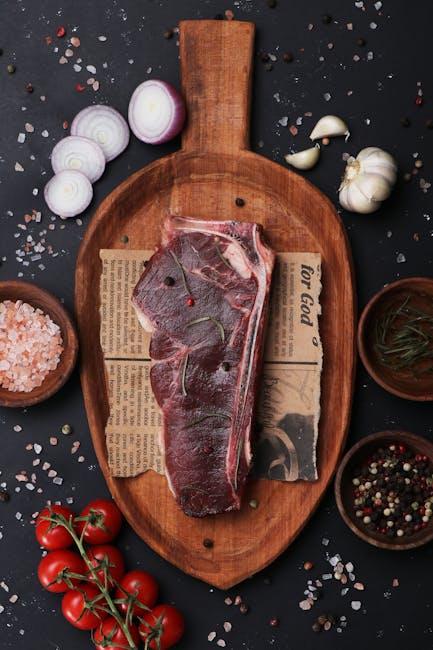
Integrating salt substitutes into your meals can be a seamless transition with a few strategic approaches. Start by experimenting with herbal blends like rosemary, thyme, and oregano, which not only enhance flavor but also add a delightful aroma. Citrus zest can also be a game-changer, offering a refreshing burst of flavor that naturally complements vegetables, fish, and poultry dishes.
- Use vinegars such as balsamic or apple cider to add depth and tanginess to salads and marinades.
- Incorporate spices like cumin, coriander, and smoked paprika to create layers of flavor without the need for salt.
- Explore fermented ingredients such as miso or tamari for a rich umami taste that can elevate soups and stews.
Remember to adjust your palate gradually; it may take some time to appreciate the full spectrum of flavors that these substitutes offer. By doing so, you not only reduce sodium intake but also open up a world of culinary creativity.
